
Scrap Metal Pricing Ogden: Clean Aluminum, Fair Payout
June 22, 2026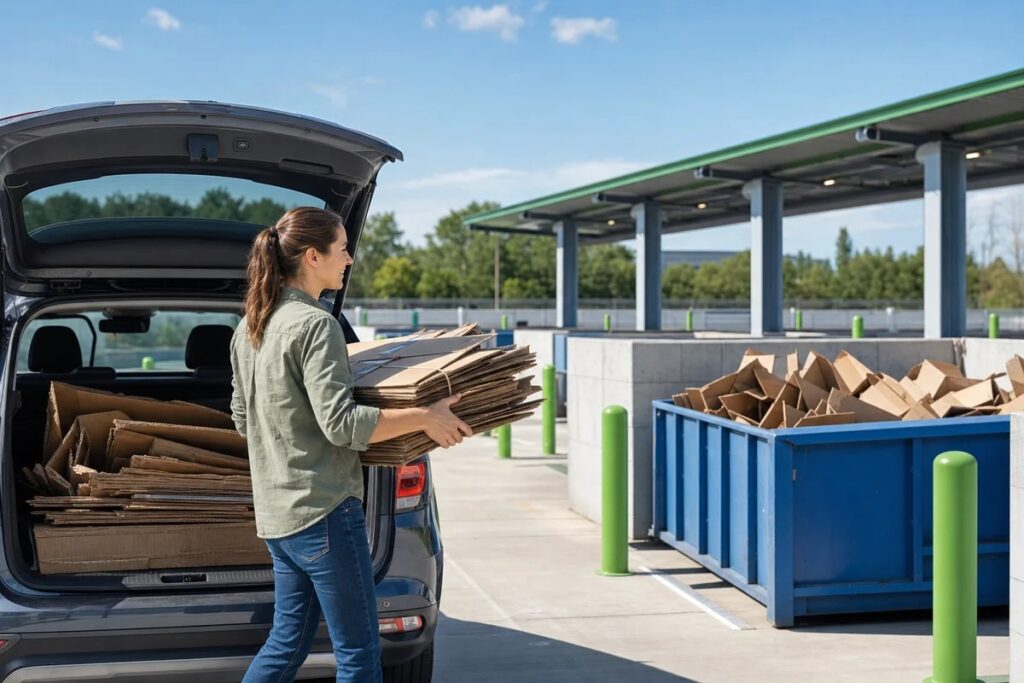
What a cardboard drop off recycling yard should feel like
A cardboard drop off recycling yard is a place where flattened corrugated cardboard is checked, weighed, and routed into recycling without a lot of extra back-and-forth. It should feel simple the second you pull in, because the best yards make the process obvious before you ever leave the vehicle.
Most visitors care about three things first, clear access, fast unloading, and a clean, organized layout. If the lane is easy to read, the cardboard area is tidy, and the path to the bin is open, the whole stop feels smoother from start to finish.
That matters most for movers, retail cleanouts, small businesses, and households with more cardboard than curbside pickup can handle. In those situations, a good cardboard recycling yard saves time because you are not trying to break down boxes at the curb or wait for a second pickup day.
We have seen that the best yards do not try to impress with complicated systems. They just make the cardboard recycling drop off clear, quick, and easy to trust.
The drop-off flow from the gate to the bin
A good cardboard recycling drop off usually moves in four short steps, and it moves fastest when the load is dry, flattened, and cardboard-only. The two things that slow every step are unclear signage at arrival and a load that has to be re-sorted at the gate.
Once those problems show up, the stop stops feeling simple. That is why a clean cardboard recycling yard is easier to use than a cluttered one, even when both accept the same material.
1. Pull up, check the lane, and read the signs
The first minute is about finding the correct lane, checking posted hours or rules, and confirming whether the yard wants cardboard separated from other recyclables. When the site is clearly marked, that usually takes 2 to 5 minutes, but shared yards with metal, paper, or debris lanes can take longer.
Staff will usually ask the same first question at arrival, whether the load is flattened, dry, and free of trash or mixed material.
2. Flatten, stack, and unload the cardboard
The fastest loads are already pre-flattened, nested, and stacked so the driver does not have to rebuild boxes at the gate. A simple loading order works best, big boxes and corrugated sheets first, smaller pieces on top, with foam, plastic wrap, and trash kept separate.
Keep the tailgate area clear, and use gloves if the cardboard edges are sharp or damp. That small step keeps the unload safer and faster.
3. Let the yard inspect the load before it goes through
Staff usually checks for contamination, wetness, and unsafe pile size before directing the load to a bin or baler. A normal inspection often takes 3 to 10 minutes, and it takes longer if the load has to be broken apart and sorted.
The yard is judging condition, not box brand, so clean corrugated cardboard is the main priority. That is true whether you are at a cardboard recycling yard, a small cardboard recycling center, or a larger transfer site.
4. Finish the drop-off and head out without extra stops
The smooth exit is a single lane back out, a quick receipt or ticket check if needed, and no second handling of the same load. The most common delay triggers are re-sorting, a busy scale, or a yard that also handles metals, paper, or construction debris.
When the site is organized, the visit feels faster because there is no second guesswork. That is the difference between a clean cardboard recycling center and a cluttered one.
Why a clean, easy-to-access yard made our cardboard drop-off quick
We saw the difference right away when we handled this stop for Clearfield Recycling. The entrance was obvious, the lane was wide enough to move straight through, and we did not have to circle around looking for the right place to go.
That kind of access changes the whole pace of a cardboard drop off recycling yard visit. We unloaded quickly because the cardboard area was clean, the access path stayed clear, and we were not wasting time guessing where the load should go.
It also stayed low-stress because the tone was friendly and professional from the moment we arrived. No one had to slow down to explain the process twice, and no one had to rework the load after the fact, so the stop felt simple instead of slow.
What stood out most was how much a tidy layout matters when you are moving a lot of cardboard. A clean site does not just look better, it cuts down on hesitation, which is why a cardboard recycling yard with clear access usually feels faster even before the unload starts.
We have learned that the quickest drop-offs rarely come from luck. They come from a site that is set up to handle cardboard the way people actually bring it, flattened, stacked, and ready to go.
What to sort before you bring cardboard to the yard
The three load qualities that matter most are dry condition, cardboard-only content, and a stack that can be moved safely by one person or one vehicle. According to the U.S. Environmental Protection Agency, clean and dry paper fibers recycle more efficiently, and that is exactly what yard staff are looking for at intake.
If you are headed to a cardboard drop-off site, think in two piles, what can go in and what needs to stay out. Clean corrugated boxes usually pass, while wet cardboard, food-soiled boxes, wax-coated cartons, plastic inserts, and foam packing material usually do not.
- Flatten boxes so the stack sits tight and does not balloon out in the lane.
- Remove obvious trash like receipts, scraps, plastic film, and loose foam.
- Separate oversized bundles if one stack would be awkward or unsafe to lift.
If you are comparing where to go, Clearfield Recycling is the kind of cardboard recycling center that works best when the load is sorted before you arrive. That keeps the visit moving and helps the staff send the load through without reworking it at the gate.
A simple prep routine saves the most time, flatten first, keep the load dry, and do a quick contamination check before you leave home. Those three habits make almost any cardboard recycling drop off easier.
Questions before you head to the yard
These are the edge-case questions people ask most often before a cardboard recycling drop off. The short answer is usually yes or no based on condition, because clean corrugated cardboard is the safest bet.
Can I bring boxes with packing tape still on them?
Yes, small amounts of packing tape are usually acceptable on a cardboard recycling drop off load. The bigger problems are plastic film, foam, strapping, and food residue, because those materials create contamination that staff may have to pull off by hand.
Will wet cardboard be accepted at a cardboard recycling yard?
No, soaked or waterlogged cardboard is usually rejected because wet fiber is harder to process and can spoil the load. Even slightly damp cardboard is risky if it has soft spots, warped edges, or signs of mold.
How much cardboard fits in a car before a cardboard drop-off site becomes impractical?
A car stops being practical once the stack blocks the rear window or would take more than one trip to move safely. A hatchback can usually handle a flattened household stack, while retail or move-out volumes are better in a truck or trailer.
What usually causes a cardboard recycling center to turn a load away?
The most common rejection reasons are mixed trash, wet cardboard, food-soiled material, and unsafe loose piles. Clean corrugated cardboard is the safest bet, while wax-coated or heavily contaminated material is usually the first thing to fail.
If speed matters, flatten first, keep the load dry, and choose a yard with clear access before you load up. When you want that kind of straightforward visit, contact Clearfield Recycling and head in with a cardboard recycling yard plan that saves time.
Contact Clearfield Recycling to ask about the easiest way to bring in your cardboard and keep the drop-off quick.