

Recycling Center Utah: What to Know Before Drop-Off
September 21, 2026
What Non-Ferrous Metals Can You Recycle at a Scrap Yard?
October 26, 2026
A faster way to get rid of metal without a wasted trip
If you’re searching for metal disposal near me, you usually want the nearest place that will take scrap metal, appliances, pipes, fencing, shelving, and other metal items without sending you back to sort everything twice. The fastest answer is not always the closest pin on the map, it’s the place that matches the load you actually have.
That means three quick checks before you load anything: drop-off or pickup, what the site accepts, and whether the metal needs to be separated, drained, or stripped of attached parts. When people call, we start with those same questions because they decide whether the trip goes smoothly or ends with a reload and a return drive.
Use that lens and you can skip a lot of guesswork. A clean pile of steel is a different job from a refrigerator, a mixed renovation load, or a stack of shelving with plastic clips still attached.
Which nearby option fits your pile of metal
Most local options fall into four buckets: recycling center, scrap yard, municipal drop-off, and paid haul-away. The right one depends on how the site handles mixed loads, whether it expects sorted material, and whether your vehicle can unload safely.
- Metal recycling center near me: best for clean, separated metal that matches the site’s listed accepted items.
- Scrap yard near me: often the best fit for larger scrap volumes, but some yards want metal sorted by type and may have strict unloading rules.
- Municipal drop-off: useful when your city accepts certain metals, but it may be limited to residents, set days, or small household items.
- Paid haul-away: the easiest route for bulky appliances or heavy renovation metal when you would rather not load or transport it yourself.
Before you drive over, check the listing for hours, unloading steps, appliance rules, and whether the site handles bulky items. A place can be close and still be the wrong fit if it will not take mixed scrap or expects you to unload in a specific area.
If you are comparing metal recycling near me options, the details matter more than the name on the sign. A yard that accepts steel framing may not want an old microwave, and a drop-off site that takes appliances may still reject items with refrigerant issues.
A simple step-by-step for getting metal accepted on the first try
This is the same sequence we use when we help people sort a scrap metal disposal near me job before they head out. Start with the material and the attachments, then confirm the site rules before you leave.
- Identify the main material. Steel, aluminum, copper, brass, and stainless steel are handled differently in many places, so look at the biggest part of the item first.
- Check for attached parts and hidden issues. Plastic trim, rubber hoses, motors, insulation, fluids, and refrigerant can all change how the item needs to be handled.
- Separate what the yard wants sorted. If the site asks for clean metal, keep steel, aluminum, and wire in separate piles instead of mixing them together.
- Confirm acceptance before loading the truck. Call ahead, send photos if you are asking about pickup, or check whether the location wants the load bundled, drained, or brought in a specific way.
That last step saves the most time. A 10-minute call is cheaper than a second trip with an item the yard will not accept as-is.
If you ask our team about a load, photos of the item, the tag, and any attached parts usually tell us more than a rough guess.
What to separate before you haul anything away
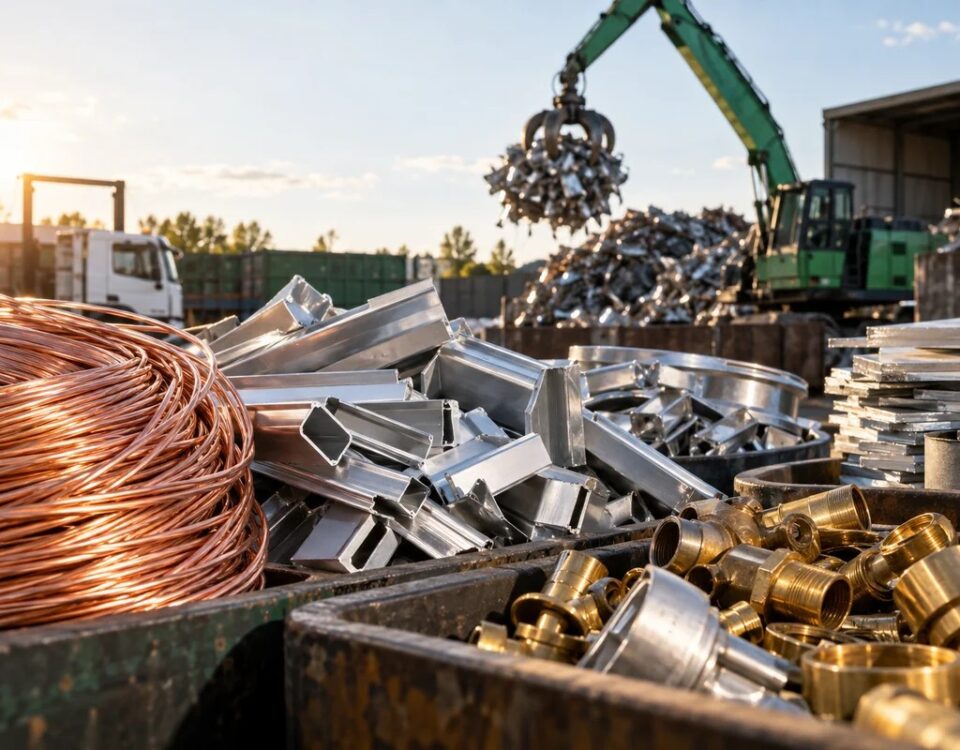
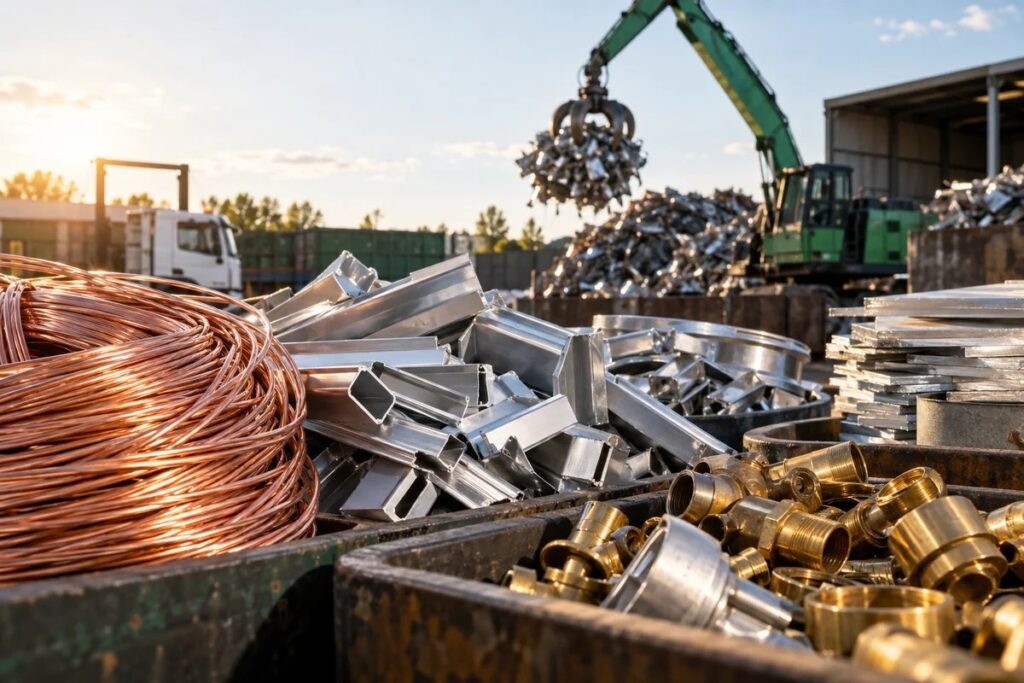
The simplest sort is ferrous versus non-ferrous metal. Ferrous items, like steel and iron, usually stick to a magnet. Non-ferrous metals, like aluminum, copper, and brass, do not. Many yards handle them differently, and mixed loads can slow down the process even when the metal itself is accepted.
- Keep batteries out of the pile. They can create fire risk and are usually handled separately.
- Set aside propane tanks and other pressurized containers. Those are not the same thing as ordinary scrap.
- Check appliances for refrigerant and fluids. Refrigerators, freezers, air conditioners, and similar items often need special handling. The EPA says refrigerant must be recovered before disposal or recycling, and final disposers may need a signed statement showing who recovered it and when.
- Remove electronics when the site asks for that. Circuit boards and wires are not always treated like plain scrap.
- Drain oil, fuel, or other liquids first. Anything with fluids left inside is more likely to be refused.
For prep, keep sharp edges bundled or taped, take off obvious non-metal attachments when requested, and keep small pieces in a box or bin so they do not scatter in the truck bed. If you are hauling sheet metal or fencing, a strapped bundle is easier to unload and less likely to get flagged at the gate.
That kind of sorting sounds minor, but it is what separates a quick drop-off from a load the yard has to inspect piece by piece.
When scrap metal pickup near me beats a drop-off trip
Pickup makes more sense when the load is bulky, heavy, or awkward to move safely by hand. A stove, water heater, old shelving, a stack of renovation scrap, or multiple appliances can be harder to load than they look from the driveway.
When you request scrap metal pickup near me, include item photos, rough quantity, access details, and whether the metal is already separated. Those four details make it much easier to tell whether the load is ready for pickup or still needs prep.
Drop-off is still the simpler choice for small clean scrap. If you have a few pieces of steel, some aluminum siding, or a sorted box of wire, driving it in yourself is usually the quickest move.
When the load is awkward enough that one person would struggle to move it without help, that is usually the moment to stop planning a haul and start planning a pickup.
Questions worth checking before you go
If you are comparing metal recycling near me or scrap yard near me results, ask what they accept, whether they pay or charge, and whether they need ID, residency proof, or an appointment. Those three answers tell you more than the map pin does.
Then check the day-of details: who unloads, where to pull in, whether the scale is open to the public, and how appliances or mixed loads should be handled. Clear yard signage, organized unloading areas, and simple rules usually mean fewer surprises once you arrive.
If you want a quick yes or no before you drive, our team can help you sort out the load and avoid a wasted trip.
What metal items get turned away most often?
Batteries, pressurized containers, and appliances with refrigerant or fluids are the usual rejects. Before you leave, look for labels, caps, hoses, or attached non-metal parts, because those are the clues that the item needs special handling.
Can a refrigerator go to a metal recycling center near me?
Yes, many centers accept refrigerators if the refrigerant has been handled properly and the site accepts appliances. Check the appliance policy, door rules, and any prep requirements first, because the EPA requires refrigerant recovery before disposal or recycling for many units.
Should I separate steel from aluminum before I bring it in?
Yes, if the yard sorts by material or pays different rates, separating them saves time and can change the payout. Keep aluminum cans away from steel framing, or separate wire from sheet metal if the site asks for clean loads.
When is scrap metal pickup near me the better choice?
Pickup is the better choice when the load is bulky, heavy, or unsafe to lift by hand. A stove, water heater, or stacked renovation scrap is the kind of load that usually pushes you toward pickup instead of a drop-off trip.
Get the right answer before you load the truck
If you want to skip the guesswork, ask a few questions first and match the load to the right option. Then, if you need a quick local answer, contact us and send a few photos so we can help you decide whether your metal belongs in the truck, at the yard, or in a pickup request.