

Metal Disposal Near Me: Pick the Right Local Option
October 8, 2026
Where Can I Recycle Moving Boxes After a Move?
November 6, 2026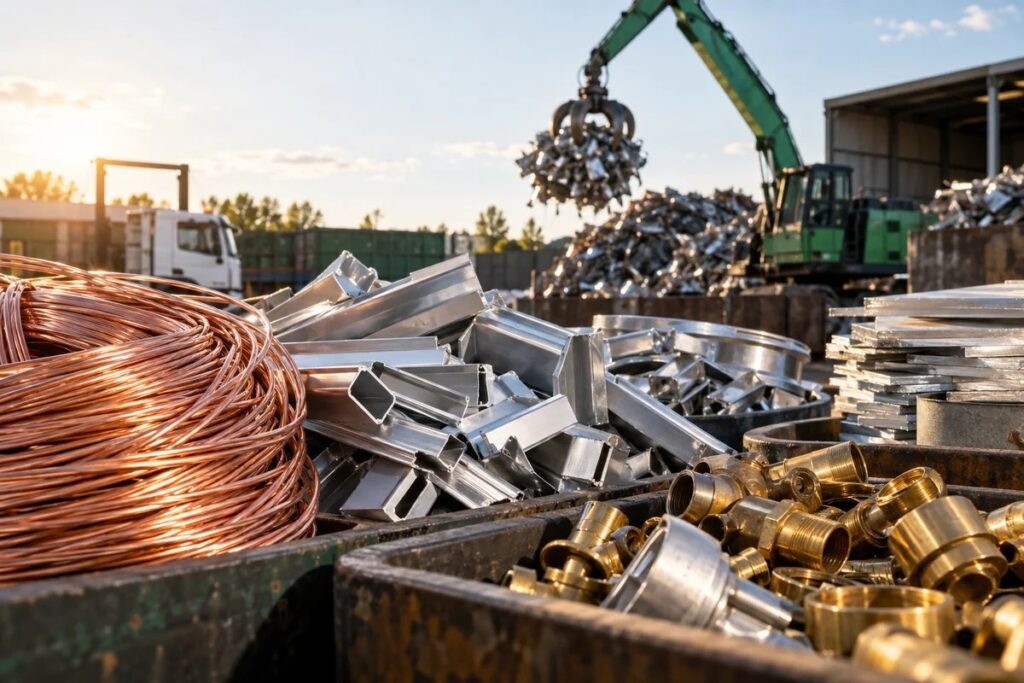
What counts as non-ferrous before you load the truck
Non-ferrous metals contain little to no iron, do not stick to a magnet, and are usually sorted separately from steel. That difference matters because scrap yards can identify, grade, and move non-ferrous material more consistently, and it is often worth more per pound than ferrous scrap.
If you are comparing which non-ferrous metals you can recycle at a scrap yard, the answer depends on three simple checks: whether it is clean, what alloy it is, and whether it is still attached to something else. If you are loading a truck for Basin Recycling & Steel, those are the same questions we use before anything goes into the yard.
There is no single universal list that applies everywhere. A clean piece of copper pipe may be accepted while the same pipe with insulation, steel fittings, or heavy contamination may be handled differently, so the condition matters as much as the metal name.
The metals most scrap yards usually accept
Most scrap yards accept copper, aluminum, brass, bronze, lead, tin, zinc, and some nickel-based items. In real life, that covers wire, pipe, tubing, cans, siding, fixtures, wheels, trim pieces, flashing, and machine parts that are no longer useful in their original form. Basin Recycling & Steel also describes its what we buy page as covering a broad mix of ferrous and non-ferrous material.
The same metal can be accepted in one form and downgraded in another. A clean piece of copper or aluminum is easy to sort, but a part that is painted, heavily corroded, or bonded to plastic, rubber, or steel may move into a lower category. That is why what non-ferrous metals are accepted at scrap yards is less about the name of the metal and more about how it arrives at the gate.
Copper and aluminum are the easiest places to start
Bare copper wire, clean pipe, and simple fittings are the easiest copper examples to spot. They are familiar, easy to separate, and easy for a yard to grade without guesswork. If you have old plumbing runs, electrical offcuts, or clean copper tubing, those are usually the first pieces people learn to identify. For a deeper look at prep, see how to prepare for your first scrap metal recycling visit.
Aluminum shows up just as often in cans, window frames, guttering, siding, cast parts, wheels, and clean sheet offcuts. Tarnish does not make aluminum or copper non-recyclable. Solder, insulation, screws, plastic inserts, heavy coatings, and other attachments are what usually change the grade. If you are sorting aluminum specifically, Basin Recycling & Steel has a useful aluminum recycling guide that shows what to bring and what to separate.
Brass, bronze, lead, zinc, and other mixed alloys
These are the pieces people often forget about in a scrap yard non-ferrous metals list, especially valves, fixtures, weights, decorative hardware, and other alloy parts from old equipment or trim. Brass is usually more yellow, bronze often reads redder or darker, and lead or zinc pieces tend to turn up in specialty scrap rather than mixed household loads.
If you are sorting a box of old hardware, keep the odd-looking pieces separate instead of guessing. One small brass fitting mixed into a clean aluminum pile can create more sorting work than the fitting is worth.
How to sort your scrap before you head out
The easiest way to sort a non-ferrous metals scrap yard recycling load is to remove anything magnetic first, then group the remaining metal by type. That simple first pass keeps ferrous scrap out of the non-ferrous stream and saves time at the scale. If you are bringing material to Basin Recycling & Steel, separate bins or even heavy-duty bags also make unloading faster because we can identify the load without emptying the whole truck bed at once. For a fuller walkthrough, see what to do before you drop off scrap at a recycling center in Utah.
- Run a magnet over the load and pull out the pieces that stick.
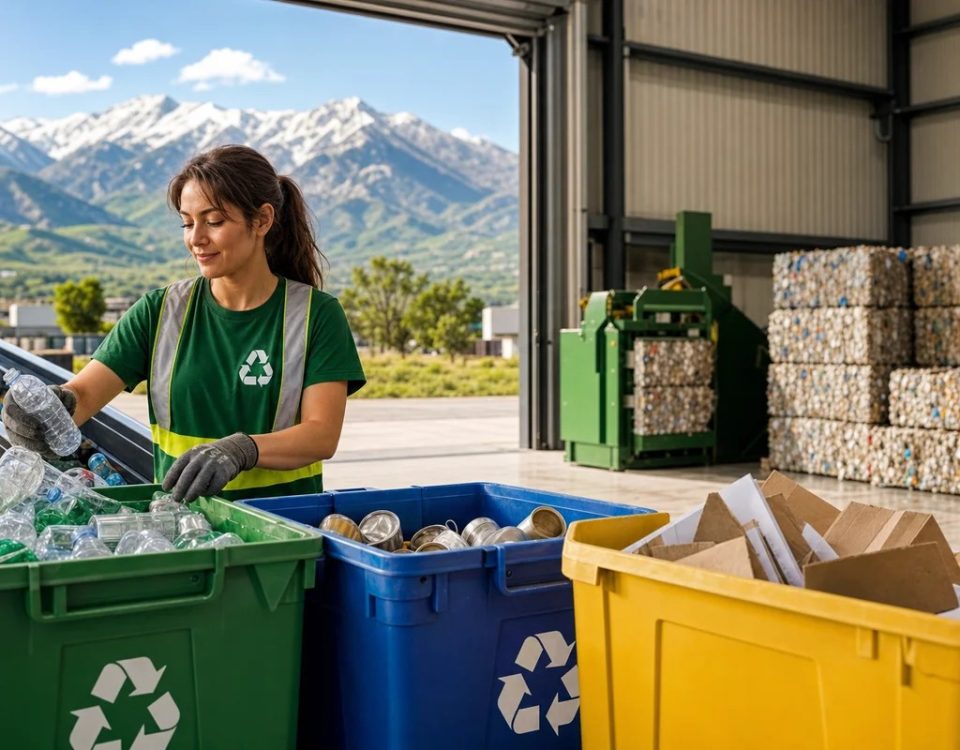
- Set copper, aluminum, brass, and lead into separate containers when possible.
- Remove obvious contamination, like wood, rubber, insulation, food residue, and loose fasteners, when the yard expects cleaner scrap.
- Keep the most identifiable pieces on top so the first glance tells the yard what it is working with.
That is usually enough to turn a cluttered pile into a manageable drop-off. You do not need to make every piece showroom clean, but you do want the yard to see the difference between a clean metal stream and a mixed one.
What to separate from the pile first
Use the magnet test on obvious mixed loads so the ferrous pieces come out first. Then put copper, aluminum, brass, and lead into separate containers if possible so the yard does less sorting at the gate. When the load includes both appliance parts and loose scrap, the easier the access, the quicker the unloading. If you are bringing large household items too, review what appliances can be recycled at a scrap yard before you load them.
When a mixed load still makes sense
Some yards accept mixed non-ferrous scrap, but the material may be graded lower if it is not separated. If the load also includes refrigerators, stoves, or other steel items, the non-ferrous pieces should stay easy to reach and the yard should be asked how it wants them unloaded. Basin Recycling & Steel can tell you whether a mixed drop-off should be staged as one load or split into separate piles before you arrive.
Why one pile of metal can turn into several prices
Grading follows a simple logic. Cleaner, more identifiable metal usually gets a better category than material with paint, attachments, or unknown alloys. That is where yard terms like bare bright copper, insulated wire, cast aluminum, and yellow brass come in. They describe condition as much as they describe the metal itself, and they explain why two piles with the same weight can be sorted differently. For examples of how condition affects value, see how clean aluminum affects scrap metal pricing.
The weigh-in happens first, but the final category still depends on inspection. A magnet check catches ferrous contamination, while a closer look handles alloy questions and obvious attachments that change how the yard sorts the load. Weight matters, but it does not decide the grade on its own.
Common grade names you may hear
- Bare bright copper, clean, shiny copper wire without insulation.
- #1 copper, clean copper with little to no solder or coating.
- Insulated wire, copper still covered in plastic or rubber.
- Cast aluminum, thicker aluminum parts like housings and wheels.
- Yellow brass, the more golden-looking brass often found in fixtures and valves.
- Mixed non-ferrous, a blend the yard may accept, but often at a lower grade.
Clean metal versus coated or attached material
Clean, single-metal pieces are easier to identify and process. Insulation, solder, grease, mixed hardware, and painted surfaces all lower the grade because they add sorting work and can change what the piece is made from at first glance. A copper fitting with a steel screw still weighs the same, but it no longer presents like clean copper.
Why the weigh-in does not tell the whole story
Scale weight is only one part of the payout and does not decide the grade by itself. A piece can weigh in with the rest of the load, then move to a different bin if the yard spots contamination or mixed metal during the inspection. That is why a truck full of the right weight can still end up in several different categories.
What a mixed scrap drop-off looks like in real life
One customer brought aluminum and other non-ferrous metal, and the yard also handled steel items like refrigerators and stoves separately. That is a pretty ordinary scrap yard scene, but it answers an important question: what non-ferrous metals can you recycle at a scrap yard when the load is not perfectly sorted? The answer is usually that the yard can work through it, but the better you separate it ahead of time, the easier the visit. If you want to read customer feedback about the yard experience, the reviews page is the best place to start.
Loads like that make sense when the non-ferrous pieces are ready to grab and the larger steel items are staged on their own side of the truck. That keeps the sorting clear, and it helps the yard decide quickly what belongs in which stream.
What to ask before you unload the truck
Ask whether they want copper, aluminum, brass, and appliances kept apart. It is also smart to ask if any items should be drained, cleaned, or staged in a specific order before you back in. Those two questions can prevent the kind of slow first unload that turns into a second pass around the yard. If you need directions or want to confirm details before arrival, use the contact page.
Questions people ask before they bring scrap in
Will a magnet always tell you whether metal is non-ferrous?
No, a magnet is a first pass, not a final test. Some stainless-looking pieces or coated scrap can fool a quick check, so keep uncertain items separate.
Can you recycle painted or coated non-ferrous metal?
Yes, but the yard may grade it lower. Paint, plating, thick coatings, and attached hardware are the main things that change how the piece is sorted.
Do appliances belong in the non-ferrous pile?
Usually no, because most appliances are mixed metal. The yard may remove or separate the non-ferrous parts from the ferrous shell instead of treating the whole item as one kind of scrap.
How do you tell copper, brass, and bronze apart before you go?
Use color and weight as your first clues, then keep uncertain pieces separate. Copper is usually reddish, brass reads yellower, and bronze tends to look redder or darker than brass.
Can copper and aluminum stay in the same box?
They can, but the yard will usually separate them and may grade the mix lower. A box with clean copper tubing on top of aluminum brackets is still workable, but separate containers are faster.
Bring the right metal in one trip
If you sort the magnet-stick pieces first, separate copper, aluminum, brass, and lead when you can, and keep appliances or mixed items easy to identify, the yard can move through your load faster. That is the simplest answer to what non-ferrous metals you can recycle at a scrap yard: the clean, identifiable pieces that fit the yard’s sorting process.
If you want to check how to stage a mixed load before you haul it in, reach out to Basin Recycling & Steel and ask what to keep separate. A quick conversation before you load the truck can save you a second trip.