

What Metals Do You Buy in a Mixed Load?
July 7, 2026
Aluminum Recycling Salt Lake City: What to Bring First
August 7, 2026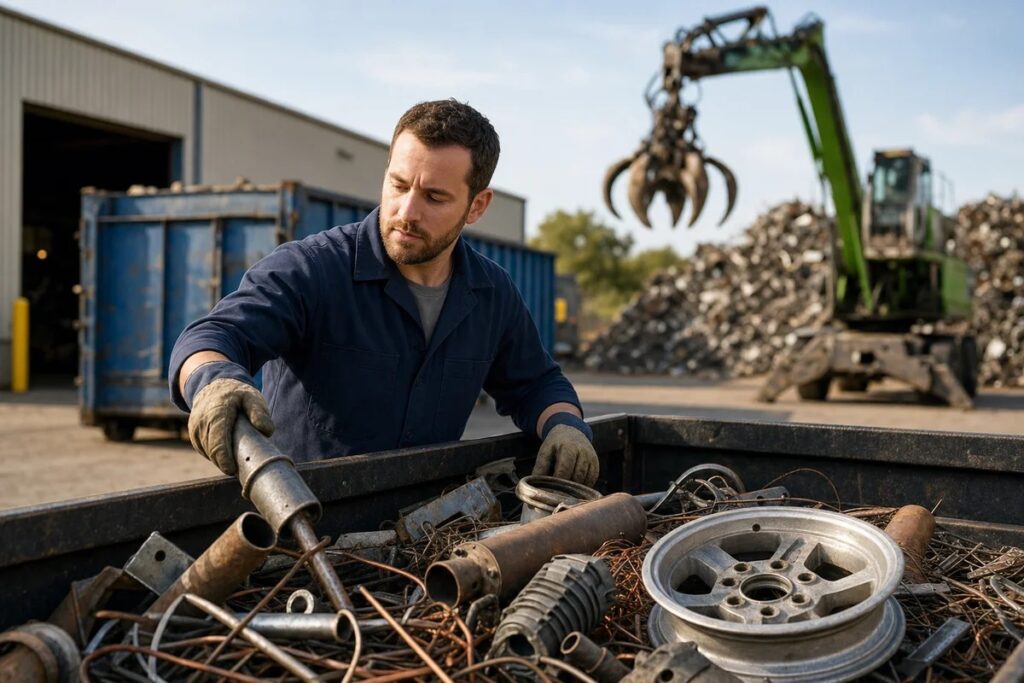
What a First Scrap Metal Recycling Visit Actually Looks Like
If you are heading to Clearfield Recycling for the first time, the usual flow is simple: check in, get directed to the right area, weigh in, unload, and then complete payment or paperwork according to the yard’s process. If you want a sense of the experience before you come in, our reviews page is a good place to start. The biggest time saver is preparation before arrival, not rushing once you are already at the scale.
Yard rules often vary for appliances, batteries, wire, and other items that may need special handling, so a quick check of our recycling services page or a phone call can prevent a second trip. That matters because some items are accepted only under certain conditions, and it is easier to confirm that before you load the truck. If you are not sure about an item, ask before you load it.
Sort the Load Before You Head to the Yard
The fastest visits usually start in the driveway. Remove non-metal material, separate the metals you can identify, and keep small pieces contained so nothing spills on the way over. A sorted load is easier for the yard to process, and it also keeps you from having to guess at the scale.
Start with the obvious stuff first. Plastic sleeves, rubber hoses, wood brackets, insulation, dirt, and oily residue all slow down sorting because they have to be removed before the metal can be handled cleanly. If a load is mixed, split the obvious steel and iron from aluminum, copper, and brass whenever you can. If you are unsure about an item, compare it with our what we buy page before you load it.
- Pull out the stuff that does not belong.
- Separate steel from aluminum, copper, and brass.
- Keep small pieces contained.
1. Pull out the stuff that does not belong
Remove obvious contaminants such as plastic sleeves, rubber hoses, food residue, insulation, and wood attachments before you leave. Do not waste time trying to make lightly rusty metal look new, because that is not the part that causes trouble. Focus on the debris the yard would have to remove first, and set aside anything that could be unsafe or restricted, like batteries, fuel containers, or mystery pieces with sharp chemical residue.
2. Separate steel from aluminum, copper, and brass
A magnet is the quickest first test, because steel and iron stick while aluminum, copper, and brass do not. Keep higher-value non-ferrous metals in their own pile if you can, since mixed piles are harder to sort at the scale and can create confusion. If a piece is partly made of different materials, place it in a separate bucket or mark it as mixed scrap so you can ask staff about it without slowing down the line.
3. Keep small pieces contained
Use buckets, sturdy boxes, or heavy bags for bolts, wire clippings, fittings, and other small scrap that can disappear in a truck bed. Keep sharp cutoffs and jagged wire ends bundled so they are easier to carry and safer to unload. Label containers if you know they hold mixed metal, because that helps both you and the yard staff sort them quickly.
What to Bring to a Scrap Yard and How to Load It Safely
For a first trip, bring the metal, any ID the yard requires, gloves, close-toe shoes, and any paperwork the yard asked you to bring. If you are not sure whether a trailer, appliance, or large load needs special handling, call ahead before you leave. At Clearfield Recycling, that quick check lets us point you to the right lane and avoids a wasted drive.
How you load the vehicle matters just as much as what is inside it. Put the heaviest pieces on the bottom, turn sharp edges inward, and secure loose items so they do not shift when you brake or turn. That keeps the trip safer and makes unloading easier once you arrive.
If the load includes sheet metal, a refrigerator, or a trailer full of mixed parts, it also helps to tell us what you are bringing before you arrive. Clearfield Recycling can then tell you where to stage the load and whether anything needs special handling before you reach the scale.
What to bring besides the metal
Most people should bring ID if the yard requires it, plus gloves and close-toe shoes for safe handling. A rag, eye protection, and a brush are practical extras if you want to wipe your hands or clean the truck bed after unloading. Keep the list realistic, because the goal is comfort and safety, not overpacking like you are heading out for a long job.
How to stack the load so unloading is easier
Place the heaviest scrap low and stable so the load does not slide or tip when you stop. Keep the pieces you want to unload first near the edge of the bed or trailer where staff can reach them safely. Wrap or nest sharp pieces so they do not snag clothing, poke through a tarp, or spill into the lane.
At the Scale and Unloading Lane on Your First Scrap Metal Recycling Visit
The normal sequence on a first visit to a scrap metal recycling yard is check in, wait for directions, weigh the vehicle, unload where staff points you, and then return for a final weigh-in if the yard uses one. We keep that process orderly because a yard is a working site, not a self-serve parking lot. Forklifts, magnets, and other moving equipment can come and go quickly, so stay clear unless staff signals you in.
It is normal to ask where to go, especially if the load includes mixed materials or pieces you are not sure about. We would rather answer a basic question than have you guess wrong and backtrack. If you are new to the site, moving slowly and following directions is the best way to make the visit feel straightforward.
Check in before you unload
Yes, you should usually check in before touching the load, because the yard may need to route you to a specific lane or scale. Staff may ask what kind of metal you have, whether the load includes appliances or wire, and whether anything is mixed or contaminated. That is normal, and it is the fastest way to keep a first visit calm instead of confusing.
What can slow the visit down
The most common delays are unsorted mixed metals, hidden non-metal attachments, restricted items, and large loads that need special direction. A quick re-sort in the lane is better than trying to guess and getting sent back to the truck. The good news is that most delays are easy to prevent once you know what the yard needs from the start.
Before You Roll into the Yard
These quick answers cover the questions we hear most often from first-time visitors. Each one gives you a simple rule to follow before you load up and drive over.
Can I bring mixed scrap metal on one first visit?
Yes, mixed scrap metal is usually accepted on a first visit. Separating steel from copper, aluminum, and brass makes unloading and sorting easier, but a small mixed load is still okay if that is what you have.
Do I need to clean the metal before recycling it?
Remove obvious contamination before you go, especially oil, fuel, food residue, heavy insulation, plastic, and rubber. Light surface rust is usually not a problem, but attached non-metal material is. If a part still has debris attached, set it aside and ask us about it.
What if I cannot tell one metal from another?
Use a magnet first because steel and iron stick while aluminum, copper, and brass do not. If you are still unsure, keep the piece separate and ask staff instead of guessing. That is the easiest first check when you are sorting a load at home.
Should I call ahead before bringing appliances or a large load?
Yes, call ahead before appliances, unusually large loads, or anything that may contain batteries or refrigerants. That lets the yard tell you whether the item needs a separate lane or special handling. A quick call is often the best last check before you leave.
Get ready before you head out
The smoothest first visits start with a sorted load, the right safety gear, and a quick check on anything unusual. If you are still unsure about what to bring or how to prepare, contact Clearfield Recycling before you leave and we will help you figure out the next step. A few minutes of planning usually makes the whole visit faster, safer, and easier to unload.