
Scrap Metal Pricing Ogden: Clean Aluminum, Fair Payout
June 22, 2026
How Do I Prepare for My First Scrap Metal Recycling Visit?
July 21, 2026
What metals do you buy when the load is mixed?
If you are asking what metals are accepted in a mixed load, the short answer is this: we usually separate clean aluminum from steel appliance metal first, then other material that fits the same processing path. For a full list, see what we buy. In real drop-offs, that usually means clean aluminum, mixed aluminum, refrigerators, stoves, and other household metal that can be weighed and sorted without extra teardown. At Clearfield Recycling, the load works best when the material is identifiable, safe to handle, and free of trash, fluids, or hidden non-metal parts that slow the scale.
The acceptance test is simple. If the yard can weigh it, sort it, and move it without taking the item apart first, it is usually a better candidate. If the load is contaminated, unsafe, or mixed with debris that changes the category, the value drops or the item may need cleanup before it comes in. That is the same basic rule across our recycling services.
Aluminum that usually makes the cut
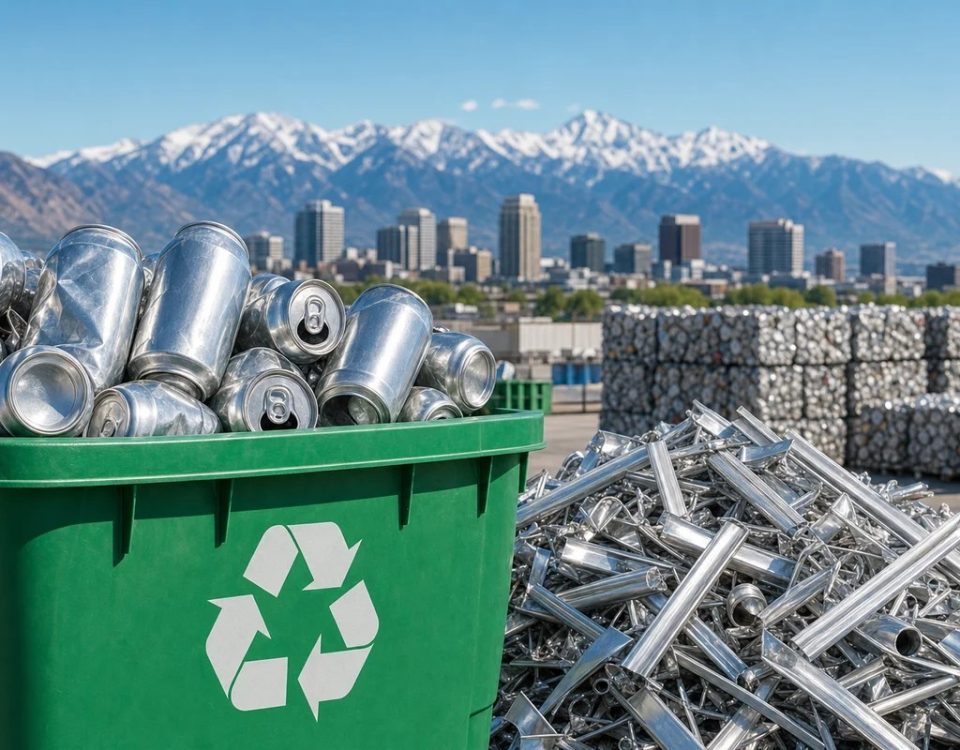
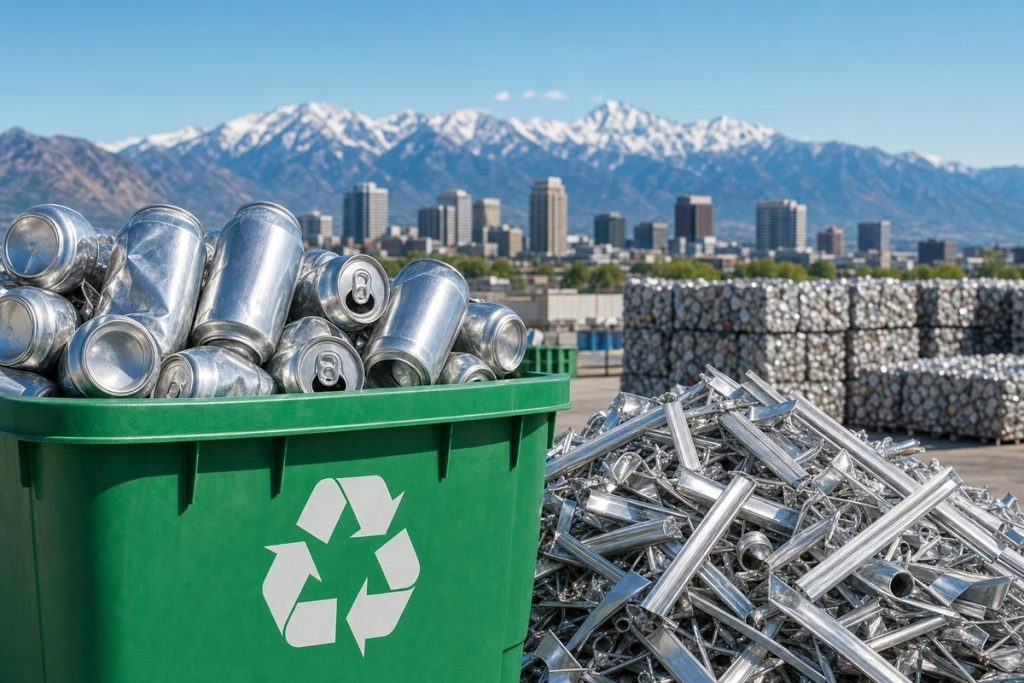
When people ask which aluminum items are accepted, aluminum is one of the easiest categories to bring in. Clean cans, sheet, siding, extrusions, and cast pieces usually make the cut because they are easy to identify and separate. A bare aluminum extrusion with little more than dust is a straightforward load, while a siding offcut with screws and trim still attached takes longer to process.
- Clean aluminum, soda cans or bare extrusions with little to no contamination.
- Mixed aluminum, a siding piece with screws, paint, or plastic trim still attached.
Paint, screws, dirt, and plastic attachments all reduce value because they add sorting time. Even a few bits of insulation or adhesive can change how the load is classified, which is why clean separation matters before you leave the driveway.
Steel appliances and other heavy household metal
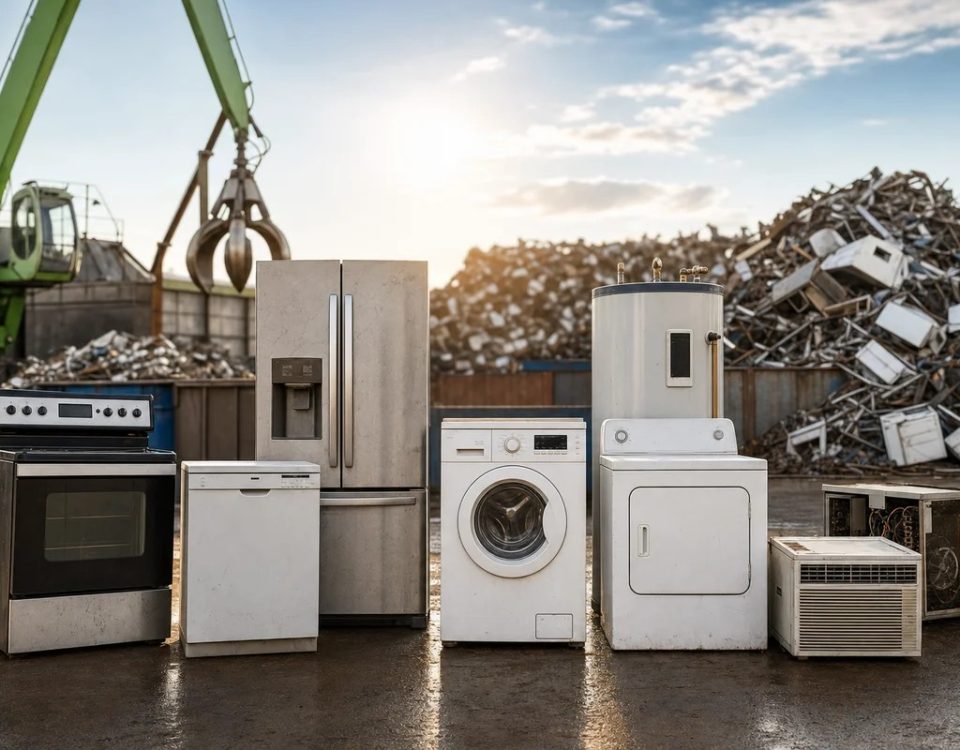
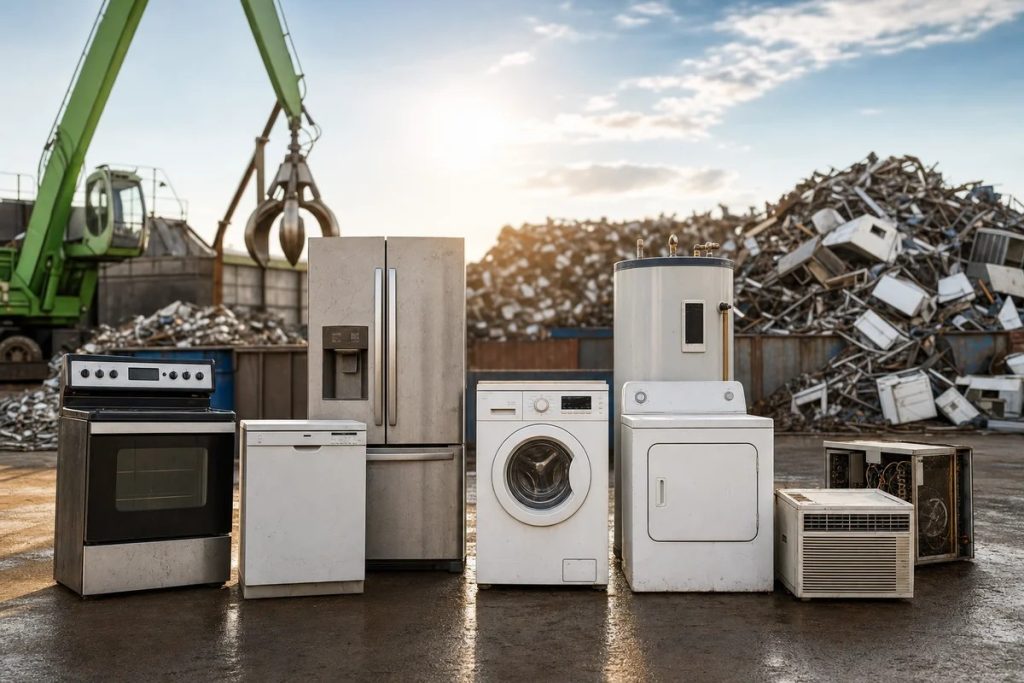
Refrigerators, stoves, washers, and dryers are usually handled as ferrous appliance loads once they are empty and prepared, which means they are paid by weight rather than by piece. That is usually what people mean when they ask which appliance loads qualify: refrigerator shells, stove bodies, washer tubs, and dryer cabinets that can be weighed as scrap metal without a long teardown. Empty, accessible units are quicker to unload and less likely to trigger a rejection because the yard is not fighting food, fluids, or trapped contents.
If the doors open, the unit is empty, and it can be moved safely, it is much more likely to move through the process without delays. The sealed parts and interior residue are what cause trouble, not the fact that the appliance is still assembled.
How we handled aluminum, a refrigerator, and a stove
We separated the aluminum from the refrigerator and stove before the weigh-in so the yard could sort clean metal from heavier appliance steel. We unloaded the appliances as scrap metal, kept the loose pieces grouped together, and made sure nothing extra was mixed into the load. That kept the pile readable at the scale, which is exactly what you want when you are bringing in mixed household metal.
We had the aluminum ready in one section, the refrigerator and stove in another, and no loose trash or random attachments crossing categories. The yard weighed us in, paid us, and sent us out knowing the cleanup and sorting had made the visit smoother. That is the kind of straightforward drop-off we aim for at Clearfield Recycling, because the cleaner the load, the faster everyone moves.
What changes the payout on a scrap load?
Three things usually drive the payout, metal type first, contamination second, and total weight third. A clean aluminum pile can bring a stronger return than a heavier dirty pile because the yard spends less time sorting it, while a heavy refrigerator full of residue can pay less than a lighter load of clean sheet aluminum. Attached non-metal parts matter too, because insulation, plastic liners, rubber seals, and screws can move a load into a different category or price tier.
That is why the same truckload can look valuable on the driveway and less impressive on the scale. If the load needs cleanup, the price is no longer just about pounds, it is also about how much labor the yard has to put into making the metal usable. A sorted load gives the scale a clear answer, and a mixed pile makes the counter slow down to figure out what is actually there. If you want a sense of what the process feels like for other customers, our reviews page is a quick place to look.
Clean aluminum vs mixed aluminum
| Load type | What it looks like | Typical result |
|---|---|---|
| Clean aluminum | Bare sheet, extrusions, cast parts, little to no attached material | Faster weigh-in and a stronger price tier |
| Mixed aluminum | Paint, insulation, screws, dirt, or plastic still attached | More sorting and a lower payout |
As a practical rule, if the contamination is easy to remove, remove it before you go. That small prep can be the difference between a quick ticket and a slower sort. It also makes it easier for the scale to sort the load without having to stop and separate it at the counter.
What to bring and what to leave out
Before you head in, empty food from refrigerators, remove loose trash, group aluminum separately, and stage heavy appliances so they are easy to unload. That kind of prep keeps a mixed load from turning into a re-sort at the scale, and it is the easiest way to make sure the answer is a quick yes instead of a longer inspection. A few minutes of sorting at home usually saves 5 to 10 minutes on site.
Three common turn-away triggers are fluids, sealed components, and hazardous contamination. The simple rule is this, metal with minor attachments is usually worth bringing, but metal with chemicals or food residue needs cleanup first. When a load is organized, the yard can see the material for what it is. When it is not, a refrigerator can become a cleanup project instead of a cash ticket.
A quick checklist before you unload
- Clean out food and debris.
- Drain or secure anything with fluids.
- Separate aluminum from steel.
- Stage the refrigerator and stove for one safe move.
If the appliance is heavy, get help or equipment before you try to move it. A refrigerator or stove is not worth a back injury, and one safe move is better than three awkward ones.
How the weigh-in turns scrap into cash
The usual flow is unload, sort, weigh, ticket, pay. A sorted small load can move through in 5 to 10 minutes, appliance loads usually take 15 to 30 minutes, and longer waits happen when the yard has to re-sort a mixed pile by hand. The process feels smooth when the scale matches the metal category instead of forcing a guess at the counter.
The best visits are the ones where the pile already tells the story. If the aluminum is together, the steel appliances are separate, and the trash is gone, the ticket moves quickly and the payout step stays simple. That is the difference between a fast drop-off and one that turns into a sorting session before anyone can weigh the metal.
At Clearfield Recycling, that efficiency is what people notice first. Once the pile is grouped correctly, the transaction stays simple, the ticket is easier to read, and the payout step does not get held up by sorting questions.
How to speed up the visit by 5 to 10 minutes
- Separate aluminum from steel before arrival.
- Remove obvious trash and loose non-metal parts.
- Stage the refrigerator and stove so they can be moved once.
Those three steps often save 5 to 10 minutes at the scale. The bigger win is that the yard can process the load without stopping to clean up what should have been sorted at home.
Questions before you haul it in
Mixed scrap raises a few practical questions before you load the truck, so we answer the ones that matter most below. If you are sorting aluminum, refrigerator metal, or stove metal, these are the decisions that save time at the gate.
Do you take refrigerators and stoves if they are still assembled?
Yes, if they are empty, unplugged, and safe to move. The usual stop signs are food inside, leaking fluids, or a damaged sealed system.
Which mixed loads are usually accepted?
Mixed loads are usually accepted when the metal types can be identified and separated. Aluminum and steel are often weighed as separate categories rather than blended into one ticket.
What aluminum items usually pay better?
Clean extrusions, sheet, and cast aluminum usually pay better than painted or plastic-backed pieces. Remove easy contamination before you bring it in, because screws, insulation, and adhesive can push the load into a lower tier.
What makes a fridge or stove get turned away?
Leaked refrigerant, fluids, food residue, and hazardous contamination are the main reasons. A stripped but clean unit is far more likely to be accepted than one with residue or damage.
Bring the mixed load to Clearfield Recycling
If you have aluminum, a refrigerator, a stove, or another mixed scrap load, we can help you sort it the practical way and get it to the scale without unnecessary back-and-forth. Reach out through contact us to plan your drop-off and make the visit as smooth as possible.