

How Do I Prepare for My First Scrap Metal Recycling Visit?
July 21, 2026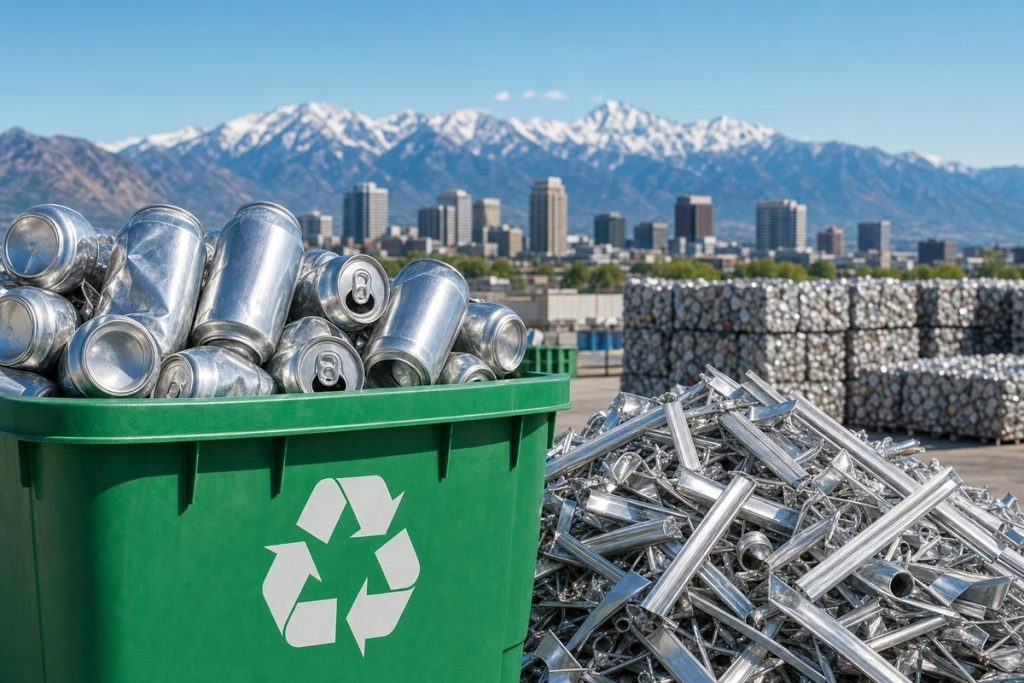
What aluminum recycling in Salt Lake City looks like on the ground
Aluminum recycling in Salt Lake City usually comes down to two paths: curbside pickup for small, clean household items and local drop-off for everything else. If you are sorting a load for Clearfield Recycling or another nearby center, the main job is the same: separate the aluminum, keep it clean enough to process, and bring it to the right place.
Aluminum can be reprocessed again and again without losing its basic properties. That makes cans, clean foil, and bare scrap a better fit for recycling than for the trash, especially when the metal is easy to identify and free of food, plastic, or steel parts.
The next decisions are simple but important: what to bring, how to prep it, and where it belongs once it is in your vehicle. Get those three right and the drop-off gets much faster.
What local aluminum recycling centers usually accept
Most Salt Lake City aluminum recycling centers take common household aluminum and clean scrap from small jobs. That usually includes beverage cans, clean pie tins, foil, siding, gutters, window frames, trim, extrusions, and other bare aluminum pieces with no attached contamination.
What gets rejected or downgraded is usually just as predictable. Greasy foil, mixed-metal fixtures, wood-backed parts, and items with hazardous attachments are common trouble spots because they take more sorting and can interfere with the load.
| Usually accepted | Usually rejected or downgraded |
|---|---|
| Beverage cans, clean trays, clean foil | Greasy foil, food-coated containers |
| Bare siding, gutters, window frames | Pieces bonded to wood, plastic, or glass |
| Clean trim, extrusions, offcuts | Mixed-metal fixtures, attached steel hardware |
| Small clean kitchen items | Items with hazardous residue or attachments |
Household aluminum that is usually easiest to recycle
Cans, trays, clean foil, and small kitchen items are the easiest loads to recognize and sort. For everyday recycling, cleanliness and separation matter more than size, and we only recommend flattening or bundling if the center specifically asks for it.
Scrap aluminum from remodels and repairs
Renovation scrap often includes siding, trim, frames, extrusions, and cutoffs from repair work. Before drop-off, remove steel screws, rubber seals, glass, and wood, because those pieces can turn a clean aluminum load into mixed material. If the pile is bulky, make sure the center has enough unloading space for contractor-style scrap.
For those bigger jobs, our team at Clearfield Recycling is the kind of local drop-off point you want to call first, especially if the load mixes household material with renovation scrap.
A simple drop-off routine for where to recycle aluminum in Salt Lake City
The easiest routine is straightforward: sort at home, check hours and acceptance rules, load the vehicle, and unload in the right area. That flow helps you decide whether curbside recycling, a public drop-off, or an aluminum recycling center is the better fit for the load you have today.
Curbside is usually best for small, clean household aluminum. A public drop-off can handle more volume, while an aluminum recycling center is the better choice for scrap, trailer loads, and material that needs a closer look before it is accepted. If the load is mixed, unusually heavy, or tied to a remodel, call ahead before you drive over.
- Sort the metal before you leave home.
- Check the center’s rules and unload cleanly.
Step 1: Sort the metal before you leave home
Separate aluminum from steel, copper, plastic, and trash so the load is easy to process when you arrive. Rinse obvious food residue, dump liquid from cans or containers, and keep clean household aluminum apart from construction scrap if you are bringing both in one trip.
Step 2: Check the center’s rules and unload cleanly
Confirm whether the location takes loose scrap, bagged cans, or only sorted metal before you leave. A clean unloading pattern, boxes first, then bins, then truck bed material, helps the yard weigh and stage the load quickly, and some centers will also ask for ID, separate material types, or advance notice for large deliveries.
What changes the value of aluminum scrap recycling in Salt Lake City
Clean, sorted aluminum usually has a better payout than contaminated or mixed loads because it takes less labor to process. In aluminum scrap recycling, Salt Lake City buyers may separate broad categories such as cans, extrusions, cast pieces, and sheet scrap, but exact value still shifts with condition and local demand.
Paint, coatings, moisture, and attached hardware can all reduce what a center can pay. The more the load looks like one material type, the easier it is for the yard to move it through without extra sorting.
Why clean scrap usually sells better
Less sorting at the yard means less labor and fewer deductions. If you remove screws, dump water from containers, and keep the aluminum free of grease and trash, the center can identify the load faster and process it with fewer adjustments.
When a load gets sorted as mixed metal instead
Mixed material usually gets downgraded when aluminum is bonded to steel, plastic, wood, or glass. If a load has both aluminum and non-aluminum parts, separate the salvageable pieces before the trip so the clean metal does not get lumped into a lower-grade pile.
That matters most when the material came off a remodel or repair, because one attached bracket or backing board can change how the whole batch is handled.
How to pick an aluminum recycling center in Salt Lake City
Look for clear acceptance rules, visible yard organization, and simple weighing or drop-off steps. Convenience matters too, especially for trailer access, short wait times, and whether the site handles small household loads, contractor material, or both.
Do not choose the closest place by default. Compare a few nearby options and use the one that matches your load, because a center that handles cans well may not be the best fit for siding, frames, or mixed renovation scrap. Clearfield Recycling is the kind of local option that should be able to answer those questions plainly before you haul anything across town.
Questions to ask before you drive over
Ask whether the location accepts the exact item mix you have and whether it sorts by grade. Confirm hours, unloading method, and any paperwork or ID requirements, and ask how the load should be bundled if it includes cans, sheet metal, or renovation scrap.
Signs the center is set up for household loads and contractor scrap
Look for separate areas or separate processes for small consumer loads and larger truck or trailer deliveries. A well-run site is usually easy to find, clearly signed, and willing to explain acceptance rules without making you guess at the curb.
Still deciding where to recycle aluminum in Salt Lake City?
Match the load to the right location: curbside for clean cans and small household pieces, a drop-off site for bigger clean loads, and a scrap-focused aluminum recycling center for renovation material. If you want a quick answer about dirty foil, mixed material, or construction scrap before you make the trip, we can usually sort that out fast.
Can you recycle dirty aluminum foil or cans with food residue?
No. Greasy or baked-on foil usually belongs in the trash, while a light rinse is often enough for cans. Heavy grease or stuck-on food is the usual deal-breaker for where to recycle aluminum in Salt Lake City.
Do you need to remove labels, screws, or paint before aluminum recycling?
Paper labels are usually fine, but screws, rubber seals, wood backing, and glass should come off. Bare aluminum is easier for local centers to process, especially on renovation scrap with mixed attachments.
What aluminum items should go to a recycling center instead of curbside pickup?
Bulky scrap like frames, siding, gutters, and other renovation pieces should usually go to a recycling center instead of curbside pickup. Curbside bins are better for small household aluminum like cans and clean trays, unless your city program says otherwise.
How can you tell if an aluminum recycling center in Salt Lake City is worth using?
The best signs are clear rules, an organized drop-off flow, and a clean yard that is easy to navigate. If the center posts acceptance lists or staff can explain your load in one sentence, it is usually worth using. If they stay vague, keep looking.
If you are ready to sort your aluminum the right way, contact Clearfield Recycling at our contact page and we will help you match the load to the right drop-off path before you head out.