

What Appliances Can I Recycle at a Scrap Yard?
September 8, 2026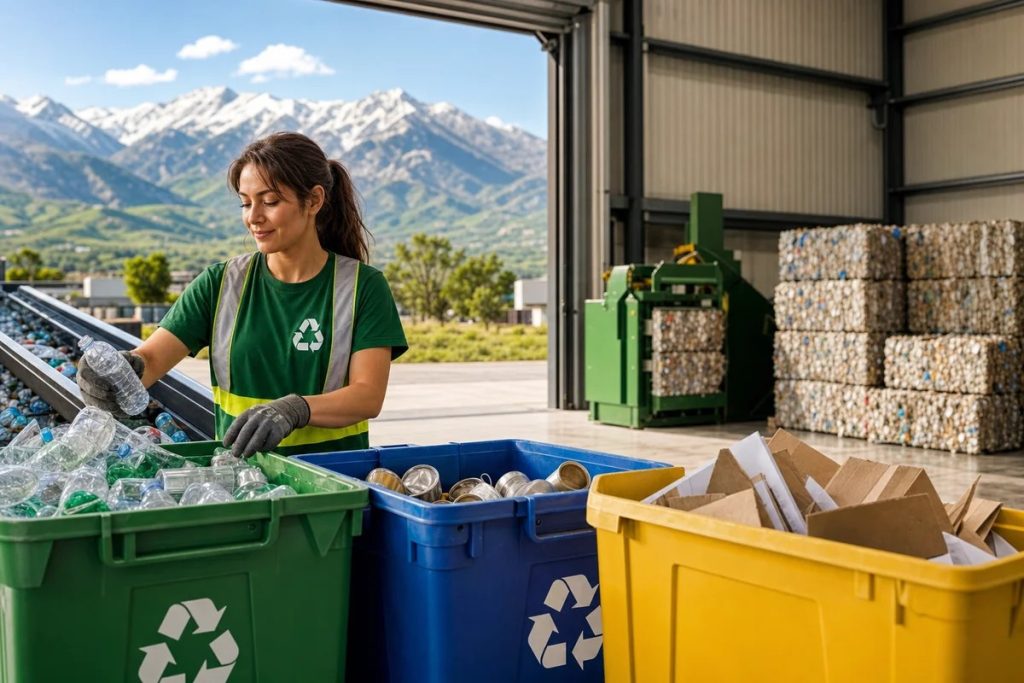
Start by matching your load to a recycling center in Utah
If you’re heading to a recycling center in Utah, start with the material, not the address. The wrong site can mean a wasted trip, a rejected load, or a pile that has to be sorted again at home.
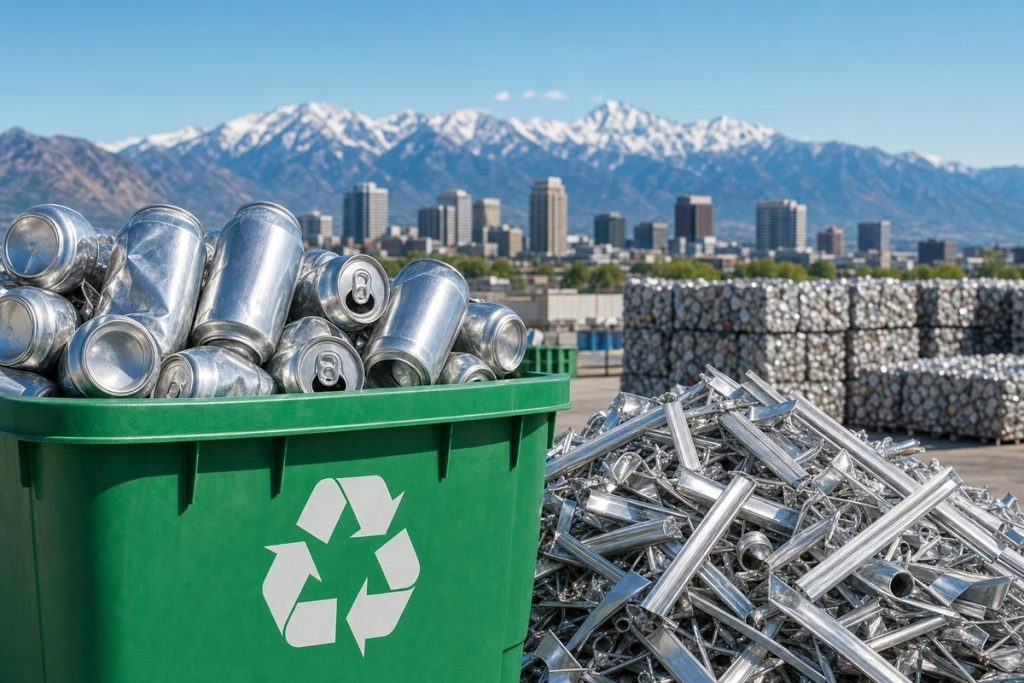
Municipal drop-off sites are usually built for household recyclables from local residents, and they tend to be strict about what comes through the gate. Private recyclers often handle a wider mix of material, including special streams or larger volumes. Scrap yards are the better fit when your load is mostly metal, appliances, or other items that are bought and sold by weight.
Before you load the truck, verify three things: what the site accepts, whether your vehicle or trailer fits the limit, and whether the station is drop-off only or set up for larger hauls. City and county rules can change what’s accepted, and those rules can differ from one area to another. A quick call ahead usually saves the most time, especially if you are sorting a mixed load or planning a recycling drop-off with a trailer.
- Municipal sites usually work best for standard household paper, cardboard, cans, and a short list of common containers.
- Private recyclers may be a better match for specialty streams, bulk material, or loads that need a separate unloading area.
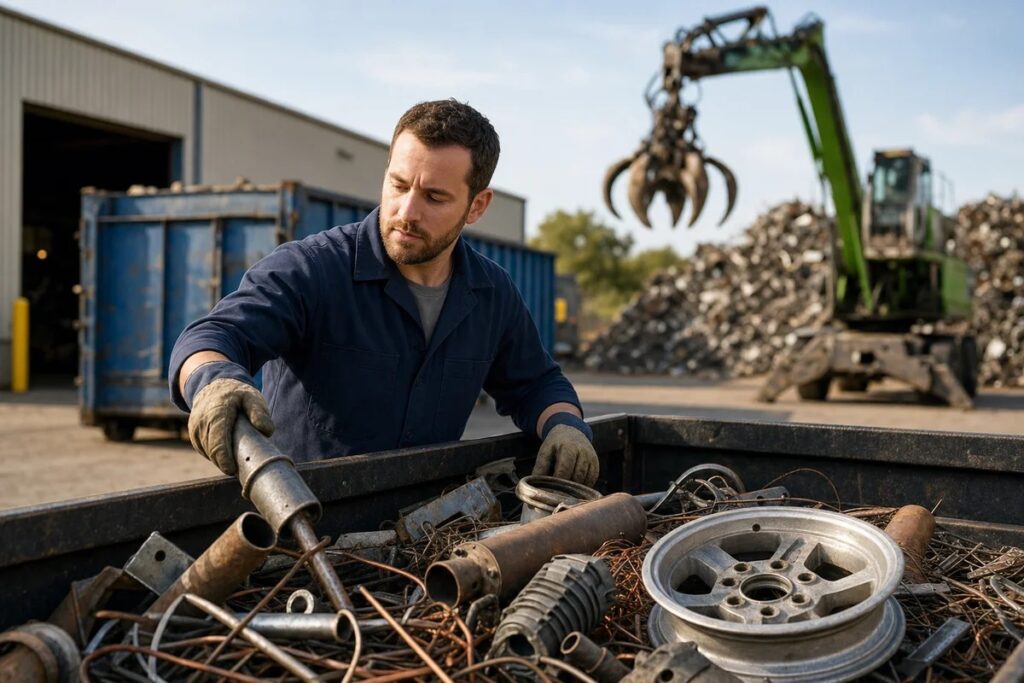
- Scrap yards make the most sense when metal is the main event and the load has value by weight rather than by household stream.
If you sort by site first, the rest of the trip gets simpler. That one decision helps you avoid the most common mistake people make with a local recycling center, which is assuming every location handles the same mix.
What a Utah recycling center usually accepts and rejects
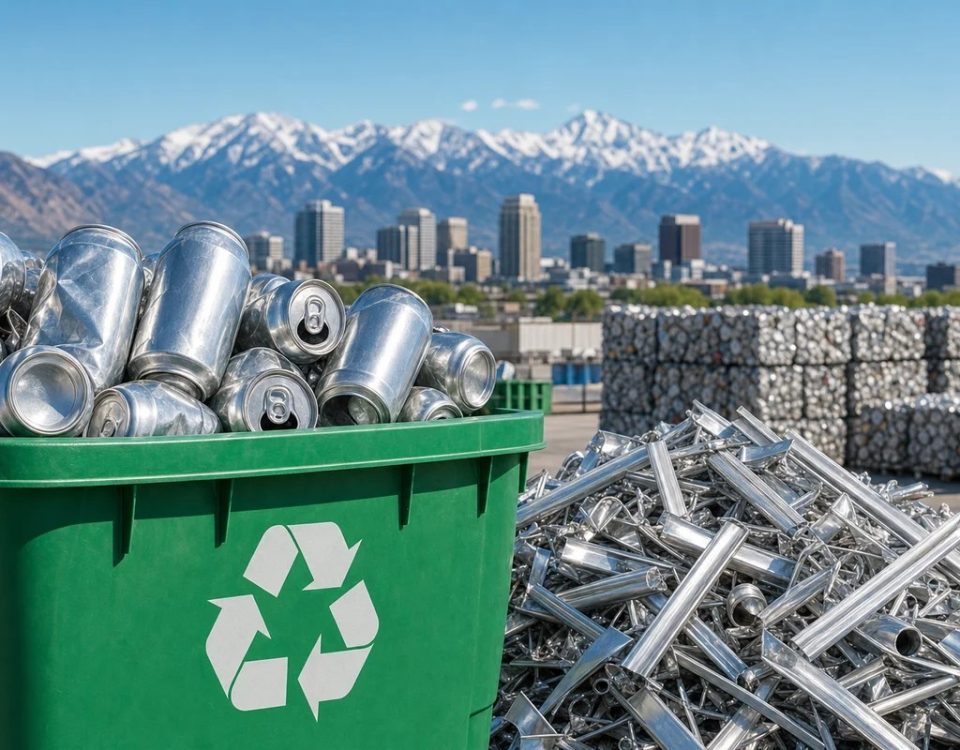
Most Utah recycling center sites focus on clean, common streams: cardboard, paper, aluminum cans, steel cans, and certain plastics marked for the stream the site accepts. Glass is the item that changes the most from place to place, so you need to check whether jars and bottles are accepted, handled separately, or skipped entirely.
Special items usually need their own path. Electronics, batteries, scrap metal, tires, and household hazardous waste are often accepted only through separate programs or by appointment, not in a standard mixed load. If you toss a lithium battery into a cardboard box, you’ve turned a simple drop-off into a fire risk.
Contamination is what gets the cleanest loads rejected. Food residue, liquids, paint, foam, greasy pizza boxes, and non-recyclable packaging can spoil an otherwise useful batch. A recycling facility in Utah has to protect the next sort line, so “mostly clean” is not always clean enough.
- Accepted examples: flattened corrugated cardboard, office paper, empty aluminum cans, clean steel tins, and plastics the site lists by number or shape.
- Common rejects: bottles with leftover soda, cartons soaked with grease, mixed plastic clamshells, and anything filled with liquid.
- Special handling items: old printers, rechargeable batteries, tires, and paint cans should be separated before you get in line.
If you are unsure about a material, the safest move is to treat it as a separate stream until the site says otherwise. That rule keeps your load cleaner and gives the local recycling center a better chance to take everything in one pass.
A quick prep routine for Utah recycling drop-off
Sorting before you leave makes the drop-off faster, and it lowers the chance that your load gets sent back. At a local recycling center, neat loads also make it easier for staff to direct you to the right container.
- Separate by material. Keep paper, cardboard, cans, plastics, and special items in different piles before you leave the house.
- Flatten cardboard. Broken-down boxes save space and make it easier to spot taped inserts, food residue, or packing foam.
- Rinse when the site asks for it. Empty jars, cans, and bottles should be free of food and drink residue if the stream calls for clean containers.
- Pull out sharp or hazardous items. Nails, broken glass, batteries, paint cans, and propane cylinders should never ride in a standard recycling load.
- Bundle or bag the way the site prefers. Mixed paper, film, or lightweight plastics move faster when they’re tied, bagged, or stacked the way the center wants them.
That last step matters more than people think. If a site wants cardboard tied flat and cans loose, following that pattern can turn a slow line into a much faster stop. For a recycling drop-off, the cleaner your setup, the less time you spend re-sorting in the parking lot.
Fees, limits, and site rules at a recycling facility in Utah
Some drop-offs are free for common household recyclables, while others charge for material that needs special processing or weighing. That difference matters, because a recycling facility in Utah may treat one tote of clean cardboard very differently from a bucket of scrap metal or a carload of mixed debris.
Commercial loads usually face tighter rules than residential ones. Oversized trailers, out-of-area residents, and repeated large deliveries may need separate approval, extra paperwork, or a different entrance. Before you head to a recycling center, check whether the site expects an ID, a proof-of-residence check, a bag limit, or a specific unloading order.
Peak-hour lines are another practical issue. A lot of sites slow down on Saturday mornings, and some close or change hours during snow, wind, or holiday periods. If your truck is full and you only have one chance to unload, calling first is cheaper than sitting in the wrong line.
We also recommend paying attention to site layout. Some facilities want you to stay in the vehicle until a staff member directs you, while others expect you to unload in a marked area and keep certain materials separate from the start. Those little rules do not sound like much, but they make a real difference when you are unloading a heavy or awkward load.
Choosing the best local recycling center for your material
The best local recycling center is the one that accepts your exact load without extra detours. If you have clean paper, the closest site may be fine. If your load includes glass, scrap metal, or electronics, a slightly farther Utah recycling center can be the better call because it may have the right container, the right staff, or a separate stream.
We suggest comparing sites on four things: what they take, how far you have to drive, whether they handle unusual loads, and what paperwork or resident rules they enforce. When you’re sorting between a municipal drop-off and a private recycler, that short checklist usually tells you more than the map does.
If a site does not fit the material, distance alone will not make the trip easier.
| Site type | Fees | Special items | Resident rules |
|---|---|---|---|
| Municipal drop-off | Often free for common household recyclables | Usually limited to standard curbside-type materials | May require local residency or ID |
| Private recycler | May charge for certain streams or special handling | Often better for bulky, sorted, or unusual material | Can allow broader access, but ask first |
| Scrap yard | Usually based on weight and metal value | Best for steel, copper, appliances, and similar items | Can have separate ID and unloading rules |
If you are choosing between two locations, the deciding factor is usually the load, not the mileage. A closer site that rejects glass or electronics costs you more time than a farther one that takes the whole load in one stop.
Questions people ask before visiting a Utah recycling center
The edge cases are usually what slow people down, not the common stuff. If your load includes batteries, mixed packaging, or a special item that doesn’t fit the bin, these answers should tell you whether to head out now or call first.
What items should stay out of a recycling center load?
Food-soiled packaging, loose liquids, batteries, and hazardous waste should stay out of a recycling center load. A greasy pizza box, a half-full paint can, or a leaking jug can contaminate everything around them, even if the rest of the load looks fine.
Can a Utah recycling center take electronics or batteries?
Only if the site has a separate e-waste or battery program. Phones, laptops, and rechargeable batteries usually need their own drop-off stream, and if your local recycling center does not list that stream, assume you need a dedicated program instead.
Do containers need to be rinsed before Utah recycling drop-off?
Yes, when the center requires clean containers, especially for food and beverage packaging. Emptying and lightly rinsing jars, cans, and bottles is the safe default, but glass, plastic, and metal can still follow different rules.
When is a scrap yard a better choice than a recycling facility in Utah?
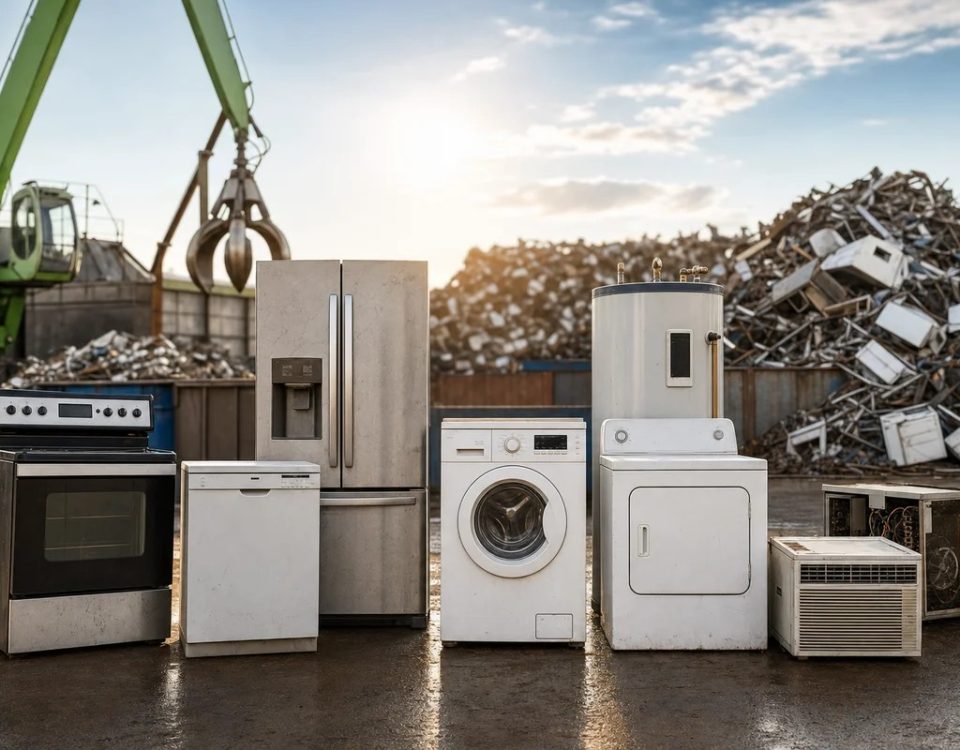
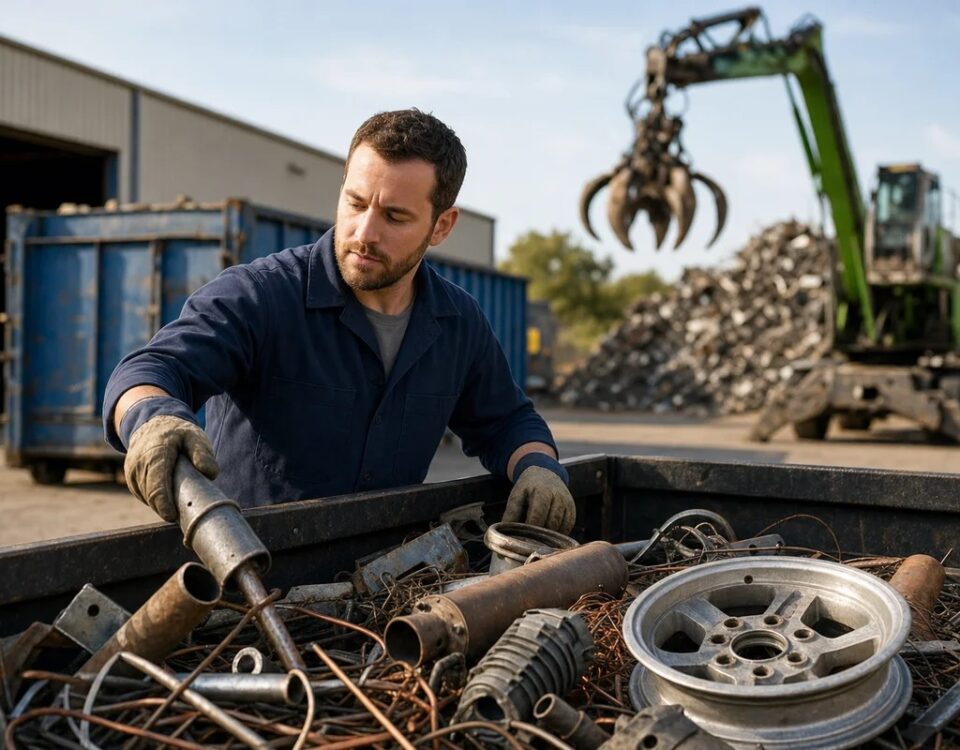
A scrap yard is the better choice when the load is mostly metal, appliances, or items paid by weight. Copper wire, steel, and an old grill fit there better than a mixed bin of paper and cans.
Make the next drop-off easier on yourself
Once you know the difference between a municipal site, a private recycler, and a scrap yard, the rest gets simpler. Match the load, separate special items, and call ahead when the material is mixed or oversized.
If you want help sorting out where your material belongs, contact us through our contact page. You can also review what we buy before you leave, check how to prepare for your first scrap metal recycling visit, or see our recycling services to match your load to the right destination.